
Podcast
Mick Unplugged
The book was introduced by its author, who explained that it uses a sloth metaphor to explore how past hurts and attachment styles cause people to show up slowly in relationships. He said it encourages readers to examine themselves and address personal patterns in order to improve love. The discussion highlighted its practical self‑reflection approach and was presented as a valuable tool for couples.
Episode: Pastor Keion Henderson: When Your Flaws Become You...
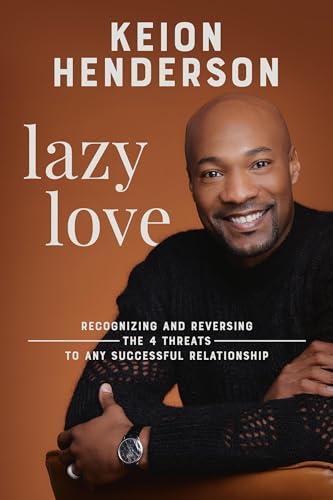
Keion Henderson's new book "Lazy Love" examines how past hurts, attachment styles and personal experiences make people show up slowly or lazily in love, using a sloth metaphor to help readers understand and improve their relationships.
I just wrote a new book called Lazy Love. And the premise of that book was... It's about love, sloth, attachment styles...
This book is telling us that we have to look at our attachment styles... to understand why we show up in love the way we do.
It's a book that helps us realize... it makes you look yourself in the mirror and deal with yourself in order to get through love.
Episode: Pastor Keion Henderson: When Your Flaws Become You...
The new book was introduced as a work exploring love through the metaphor of a sloth, discussing how past hurts affect our approach to love and encouraging readers to examine their attachment styles.
I just wrote a new book called Lazy Love. The premise is that the Bible talks about not being like the sloth, and I explored how slow movement and our diet affect love.
I was reading about the sloth and realized they move slow because of what they eat, which puts them in a state of mind that anesthetizes them. That became the substratum of the book, showing how we can be lazy in love because of past hurts.
The book helps us realize we have choices in how we show up in love, that it makes you look yourself in the mirror, and that it gives more grace to the people you love.
We've been hearing rave reviews about it all over the country--New York, California, Florida--and it's moving people to think differently about love.
And then lastly, I reintroduced The Shift. We have another second edition of that book, adding three chapters, because even my shifts have shifted.