
Podcast
The Tucker Carlson Show
In the episode, the hosts highlighted the anti‑war work of a highly decorated Marine, noting that the book exposed how the U.S. military served corporate and financial interests and argued it deserved broader readership today. They emphasized the author's firsthand experience and concluded that stopping the military‑industrial complex required removing profit motives. The overall tone was strongly supportive.
Episode: Ben of Ben & Jerry’s Exposes the Motives Behind Wa...
The speakers highlighted Butler's antiwar book, noting it exposed how the U.S. military served corporate interests and argued it should be more widely read today.
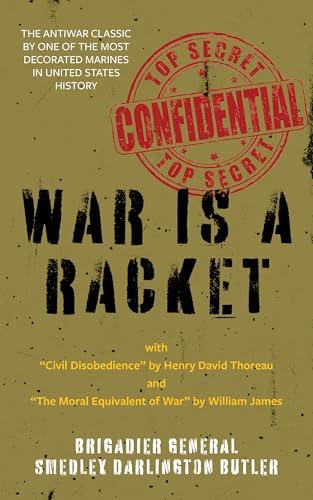
So that you brought a book by Smedley Darlington Butler, the most decorated Marine in World War One. He's a Marine General. He won two Medals of Honor. And he wrote a book called War is a Racket.
And during that period, I spent most of my time as a high class muscle man for big business, for Wall Street and the bankers. Butler wrote in 1955.
I brought light to the Dominican Republic for the American sugar interests in 1916. I helped make Honduras right for the American fruit companies in 1903. In China in 1927, I helped set it up so that standard oil went on its way unmolested. Looking back on it, I feel I might have given Al Capone a few hints. The best he could do was to operate in three city districts.
I really do think that's what it's about. You know, that's what Smedley Butler came up with. Yeah. I mean, you read the whole rest of his book and he says at the end, you know, these antiwar protesters, they're really good people. But you're never going to stop the militaryindustrialcongressional complex until you take the profit out of it.
So Spendley Butler, I know you know this, I think he first gave that speech in 1935ish. And he was later kind of lumped in with bad people as somehow proNazi.