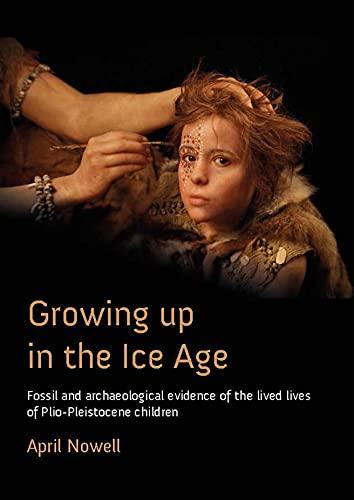
The podcast mentioned "Growing Up in the Ice Age" by April Noel, an archaeologist from the University of Victoria, as a book that discusses the Neanderthal genome and the evidence for interbreeding between Neanderthals and humans.
In her 2021 book, Growing Up in the Ice Age, as well as her more recent work from just last year, Rethinking Neanderthals, an archaeologist named April Noel from Canada, University of Victoria, she br...
— Episode: Actual Trolls: Not the Ones Online
Episode: Actual Trolls: Not the Ones Online
The podcast mentioned "Growing Up in the Ice Age" by April Noel, an archaeologist from the University of Victoria, as a book that discusses the Neanderthal genome and the evidence for interbreeding between Neanderthals and humans.
In her 2021 book, Growing Up in the Ice Age, as well as her more recent work from just last year, Rethinking Neanderthals, an archaeologist named April Noel from Canada, University of Victoria, she broke down these questions like how much genuine consideration have homo sapiens given to the life form of the Neanderthal and she notes this DNA stuff we're talking about She says, quote Researchers have spelled out the entire Neanderthal genome for multiple individuals offering new insights into their biology as well as our own There is no longer any doubt that human beings and Neanderthals interbred