Podcast
Today, Explained
This book examined the evolution of secular narratives about the end of the world, tracing them from early 19th-century works like Lord Byron's poem "Darkness" and Mary Shelley's novel "The Last Man" up through modern anxieties like climate change and AI.
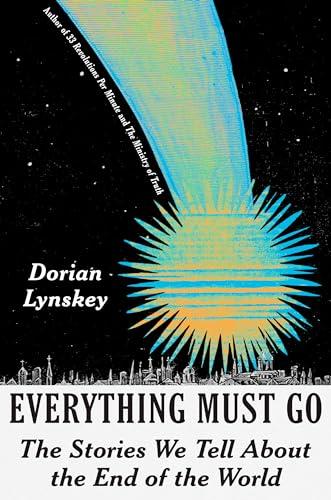
Dorian Linsky wrote Everything Must Go, the stories we tell about the end of the world.
— Episode: Prepping for doomsday
Episode: Prepping for doomsday
This book examined the evolution of secular narratives about the end of the world, tracing them from early 19th-century works like Lord Byron's poem "Darkness" and Mary Shelley's novel "The Last Man" up through modern anxieties like climate change and AI.
Dorian Linsky wrote Everything Must Go, the stories we tell about the end of the world.
So the first secular narratives about the end of the world, which as far as I could tell, were Lord Byron's poem Darkness and Mary Shelley's novel The Last Man.
And Mary Shelley, who was actually living in the same part of Switzerland as Byron when he was writing Darkness. And in fact, she was coming up with Frankenstein at the same time. When she writes The Last Man about a decade later, it's absolutely destroyed by the critics that they think that it is a loathsome idea from the start.
In fact, in 1913, before the First World War, he writes The World Set Free, in which he invents the phrase atomic bomb and just imagines how an atomic bomb might work.
Dorian Linsky, the book is Everything Must Go, the stories we tell about the end of the world.