Podcast
Today, Explained
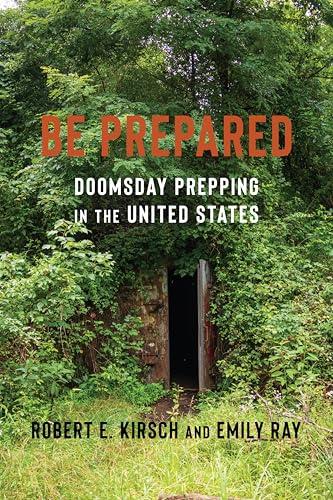
This book explored doomsday prepping, tracing its history and arguing that prepping is an American institution reflective of self-sufficient frontier ideals. The authors researched prepping kits and discussed the class markers associated with the behavior.
I'm Robert Kirsch. I'm a professor at Arizona State University. And among all the other university duties that I have, I also research doomsday prepping and the end of the world.
— Episode: Prepping for doomsday
Episode: Prepping for doomsday
This book explored doomsday prepping, tracing its history and arguing that prepping is an American institution reflective of self-sufficient frontier ideals. The authors researched prepping kits and discussed the class markers associated with the behavior.
I'm Robert Kirsch. I'm a professor at Arizona State University. And among all the other university duties that I have, I also research doomsday prepping and the end of the world.
And so, again, these class markers become super important in telling this story, trying to sort of pull this behavior out of the shadows and sort of trying to locate it at the beating heart of mainstream American culture.
My co-author Emily does have a bug-out bag because she lives in the Bay Area. I have 15 gallons of potable water ready because I live in the desert.
We argue that prepping is an American institution and that from the founding, Americans have seen themselves as a prepared citizenry where Americans are invited to see themselves as the self-sufficient frontiers people who are able to tame the elements and dominate the wilderness and sort of bring America into new spaces.
He's co-author with Emily Ray of Be Prepared, Doomsday Prepping in the United States.