
Podcast
The Ben Shapiro Show
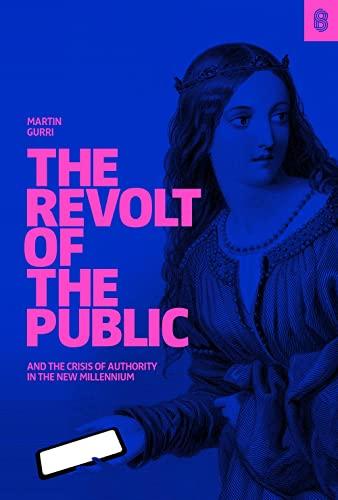
The book's thesis, discussed via a review by Scott Alexander, suggested that populist disdain for elites arose because a 20th-century promise--that elites could manage society perfectly--was a lie that the internet then exposed, leading to public outrage.
The Revolt of the Public. It is from 2014. And the thesis of the book is basically that the reason that you see so much populist disdain for the elites is because there was a promise that was made ove...
— Episode: Ep. 1350 - Authoritarian Biden Is Murder...
Episode: Ep. 1350 - Authoritarian Biden Is Murdering The Ec...
The book's thesis, discussed via a review by Scott Alexander, suggested that populist disdain for elites arose because a 20th-century promise--that elites could manage society perfectly--was a lie that the internet then exposed, leading to public outrage.
The Revolt of the Public. It is from 2014. And the thesis of the book is basically that the reason that you see so much populist disdain for the elites is because there was a promise that was made over the course of the 20th century that was a complete lie.
Our story begins in the early 20th century when governments, drunk on the power of industrialization, sought to remake society in their own image. This was the age of high modernism with all of its planned cities and collective farms and so on.
Realistically, says Scott Alexander, this was all a sham. Alan Greenspan had no idea how to prevent recessions. Scientific progress was slowing down. Poverty remained as troubling as ever. 50% of public school students stubbornly stayed below average. But the media trusted the government.
With the beginning of the internet at the turn of the 21st century, bloggers and social media influencers short circuited the established hierarchy.
In Gurry's telling, high modernism had always been a failure, but the government media academy elite access had been strong enough to conceal it from the public. Starting in the early 2000s, that access broke down.