Podcast
American History Tellers
The book explored the 1793 yellow fever epidemic in Philadelphia and how the controversy surrounding its cause and treatment intertwined science, religion, and politics in the young American Republic. The author was drawn to the subject as an undergraduate, finding the intellectual debates surrounding the disease arcane and abstract.
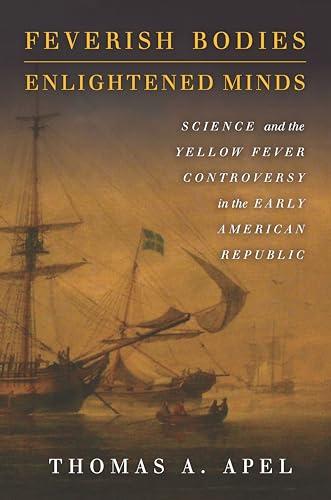
Thomas Appel is a teacher, historian, and author of the book Feverish Bodies, Enlightened Minds, Science and the Yellow Fever Controversy in the Early American Republic.
— Episode: Yellow Fever Epidemic of 1793 | The Grea...
Episode: Yellow Fever Epidemic of 1793 | The Great Debate |...
The book explored the 1793 yellow fever epidemic in Philadelphia and how the controversy surrounding its cause and treatment intertwined science, religion, and politics in the young American Republic. The author was drawn to the subject as an undergraduate, finding the intellectual debates surrounding the disease arcane and abstract.
Thomas Appel is a teacher, historian, and author of the book Feverish Bodies, Enlightened Minds, Science and the Yellow Fever Controversy in the Early American Republic.
I first came upon it as an undergraduate.
It appeared to me to be very sort of arcane and abstract.
His book, Feverish Bodies, Enlightened Minds, Science and the Yellow Fever Controversy in the Early American Republic is available now from Stanford University Press.