
Podcast
Philosophize This!
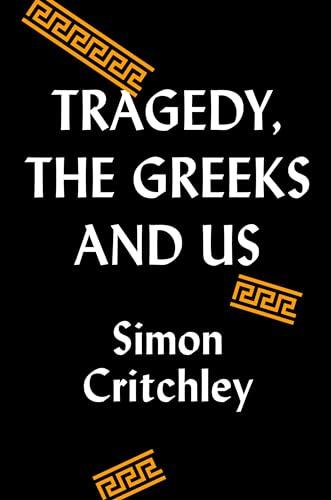
It was discussed extensively as a source of insight into a life-affirming perspective. The podcast host summarized Critchley's analysis of Greek tragedy, contrasting its approach to life's complexities with modern media.
tragedy gives voice to what suffers in us and in others, how we might become cognizant of that suffering and work with that suffering, where suffering is that pathos that we undergo, where tragic pass...
— Episode: Episode #212 ... Nietzsche and Critchley...
Episode: Episode #212 ... Nietzsche and Critchley on the tr...
It was discussed extensively as a source of insight into a life-affirming perspective. The podcast host summarized Critchley's analysis of Greek tragedy, contrasting its approach to life's complexities with modern media.
tragedy gives voice to what suffers in us and in others, how we might become cognizant of that suffering and work with that suffering, where suffering is that pathos that we undergo, where tragic passion is both something undergone and partially overtaken in action
what is preferable about the world of Greek tragedy is that it's a polytheistic world with a diversity of conflicting and deeply flawed gods and rival conceptions of the good. It is my conviction that the lesson of the adversarial reasoning of tragedy is that it is prudent to abandon any notion of monotheism, whether it's either of the three Abrahamic monotheisms, a Platonic monotheism rooted in the metaphysical primacy of the good, or indeed the secular monotheism of liberal democracy and human rights that still circles around a weak deistic conception of God. The motto on the back of the dollar bill might be slightly improved if it read, 'In gods we trust and sometimes distrust.' Admittedly this is not very catchy.