
Podcast
The MeatEater Podcast
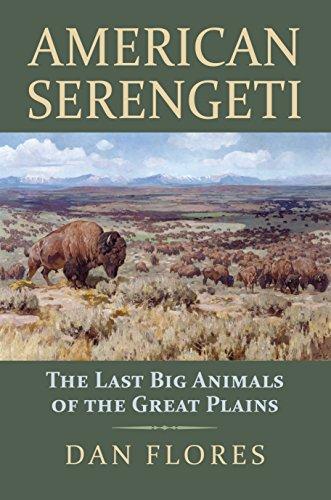
This book explores the history of the Great Plains ecosystem, focusing on the diverse array of large mammals that once thrived there, such as bison, wild horses, and wolves, and examines the efforts to restore the region's ecological integrity.
American Serengeti is a book that's about the region of the United States, the American Great Plains, that once was the analog of East Africa, the Maasai Mara and the Serengeti with, I mean, it was on...
— Episode: Ep. 069: Dr. Dan Flores
Episode: Ep. 069: Dr. Dan Flores
This book explores the history of the Great Plains ecosystem, focusing on the diverse array of large mammals that once thrived there, such as bison, wild horses, and wolves, and examines the efforts to restore the region's ecological integrity.
American Serengeti is a book that's about the region of the United States, the American Great Plains, that once was the analog of East Africa, the Maasai Mara and the Serengeti with, I mean, it was one of the ecological wonders of the world up until about 1900 or so with this marvelous aggregate of large grazing animals, the bison that we've been talking about a lot tonight,
And I've written about some too, along with bison, wild horses that were reintroduced, having evolved on the Great Plains, reintroduced by Europeans back to America thousands of years after they had become extinct, and that just spread in an instant across this old ecological homeland of theirs.
And then the book finally ends up going to our possibilities in the 21st century, primarily through what's known as the American Prairie Reserve Project in Montana of trying to recreate and rewild an American Serengeti that will ultimately have all those animals in place again in a wildlife park that will be, we hope, something like twice the size of Yellowstone.
Episode: Ep. 033
This book, published in early 2024, explores the history of the Great Plains' large animals, examining both past and present ecosystems and the factors that led to the decline of various species. It details the dramatic changes in the Great Plains ecosystem over millennia and the near-extermination of many species.
So, the books are American Serengeti, which is just a day or two away from officially being out. And the subtitle of that book is The Last Big Animals of the Great Plains. And the other book is called Coyote America, a Natural and Supernatural History.
The Pleistocene version doesn't get as much coverage as the historic version of the American Serengeti, but I spend a good bit of time talking about it because down to 10,000 years ago, I mean, we really, we had an African analog on the American Great Plains with all the charismatic megafauna that were here.
So that's been one of the problems more recently, last 10 or 15 years with the blitzkrieg model is that there's not, there aren't the sites out there. Maybe we just haven't found them, but except for the mammoth sites, there's not much out there.
So the truth is right now, this is one of the great mysteries of North American environmental history. I would too. I'd love to know. Even if I had to keep it secret. But we have not figured it out yet. All we know is that that version, that much African-like version of the Serengeti disappeared between 8 and 12,000 years ago.
That's how the American Serengeti book opens, in fact, is when that, with that visit that you and I made over to Blackwater Draw, and sort of giving ourselves our own personal tour because I recall we drove all the way over there from Santa Fe and the place was close. So we just hopped over the fence and gave ourselves a tour.