Podcast
The MeatEater Podcast
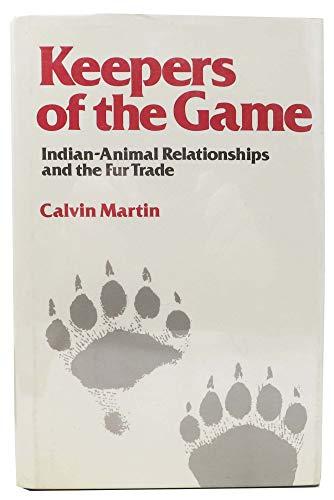
It explored the impact of the beaver trade on Native populations and offered a unique perspective on why Indigenous peoples participated in the fur trade, suggesting spiritual or religious motivations.
He does a good job in there with the impacts of the beaver trade on native populations, where here you have an ant, like the bison or buffalo looms so large in the mythology of the tribes.
— Episode: Ep. 069: Dr. Dan Flores
Episode: Ep. 069: Dr. Dan Flores
It explored the impact of the beaver trade on Native populations and offered a unique perspective on why Indigenous peoples participated in the fur trade, suggesting spiritual or religious motivations.
He does a good job in there with the impacts of the beaver trade on native populations, where here you have an ant, like the bison or buffalo looms so large in the mythology of the tribes.
It'd be like the guy who says, the guy who's been stomping on morels down in his cot and would grow up his whole life and never thought about them. One day some guy knocks on his door and he's like dying. He's just like, really?
They're everywhere, but people really want these things.
And his argument was a really intriguing one because he kind of argued against some of the things I was just explaining. That the fur trade had an economic basis.
He argued that it was based on... it was Indians participated in it for spiritual or religious reasons rather than economic reasons.