Podcast
The MeatEater Podcast
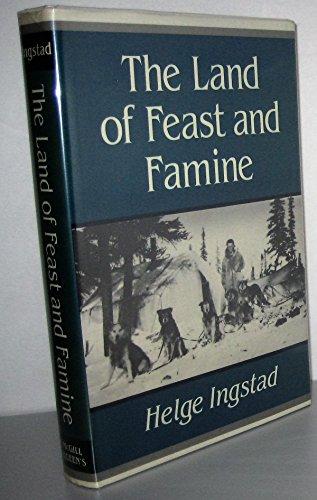
Steve Rinella and guest Mark Kenyon highlighted the title as a vivid account of 1920s‑30s Canadian fur trappers who survived on whitefish and relied on bear lard for both nutrition and trade, illustrating the extreme swings between abundance and scarcity. They noted the detailed descriptions of months spent eating nothing but fish, the intense cravings for red meat and salt, and the cultural importance of lard as a currency. The hosts conveyed strong enthusiasm for the book’s insight into frontier subsistence and its relevance to modern outdoor living.
Episode: Ep. 403: Rattling Bucks with Joe Rogan
This book recounts the experience of living off the land in 1930s Canada, illustrating the unpredictability of food availability.
there's a book Land, a Feast, and Famine it was about in the 1930s living off land in Canada it's like sometimes you can't there's so much you can't even process at all right and a lot of times you're screwed
Episode: Ep. 137: Bulls, Bucks, and Pre-Chewed Meat
It was mentioned in relation to fur trappers in the early 1900s, who used deer fat as currency and for waterproofing. The speaker recalled a detail about the importance of bear lard for baking in the book.
I was just reading this book, uh land of feast and famine which is about fur trappers in the You know, they kind of were flirting with the edge of the arctic and the boreal forest in uh northwest territories point being this is in the 19. This is in the early 1900s
These guys would trade in they would trade in rump fat So when you like if you kill a summer deer you've seen this mark no doubt where you skin it along the rump You got these big flat hunks of fat They would square those pieces up And use it as a currency it was of such value to them to slice and eat it and that's tallow but like you don't when we were kids we would
the best part of that book, I don't really the only detail that book I remember is how vital it was For the people he hung out with to kill a bear In the fall for lard That it was just of paramount importance To stock up on lard
Episode: Ep. 111: Inside the Dark House
It is a book about fur trappers working around Great Slave Lake in the 1920s and 1930s, who subsisted for months on whitefish and developed intense cravings for red meat due to the monotonous diet. The author also discussed how acquired tastes, such as salt, can change with prolonged exposure to a particular diet.
So there's a book I'm reading right now called the land of feast and famine and it's about uh fur trappers who were working around great slave lake in the i think in the 30s the 20s late 20s and uh man for their like because these are guys that had are traveling by canoe and they have to carry their sled dogs with them in the canoe because they're traveling into the trapping grounds and then when everything freezes up they make sleds and the dogs pull the sleds so these spend most their time in the summertime fishing white fish with nets to keep you know the dogs fed every night and then when it starts to freeze up in the winter when they know they can keep fish frozen then they just net white fish in order to feed the dogs throughout the winter in order to feed themselves throughout the winter and also to use some for trap and bait and these guys will go in this book they talk about periods where they're going literally months eating nothing but white fish cooked on a spit over a fire and the intense cravings that you would get living that lifestyle but he would say that the thing you could get over like steffenson talks about this too is like you can get over salt like our taste for salt is an acquired taste and you say when you go months and months on those salt you lose that feeling of wishing you had salt on your meat and when steffenson would travel into the village like eskimo villages they would just make sure to put because they were always worried about everyone eating their food and they would put extra salt on their food because they know that the people who didn't use salt would never be able to eat even moderately salted food and it was a way to make your food unpalatable to people is to put a little bit of salt on it like it's that level of acquired but this guy that was living for months on just white fish their cravings would be for red meat and like that would be the thing that they wish they had and would wait and wait for was to get caribou because it would offset like how off you felt just eat nothing but white fish
Episode: Ep. 111: Inside the Dark House
The podcast speakers discussed this book, which details the experiences of fur trappers around Great Slave Lake in the 1920s and 30s. It highlights their reliance on whitefish as a primary food source and the intense cravings for other foods that resulted from this diet.
So there's a book I'm reading right now called the land of feast and famine and it's about Fur trappers who were working around great slave Lake in the I think in the 30s the 20s late 20s and man for their like cuz these are guys that had
And they had to carry their sled dogs with them in the canoe because they're traveling into the trapping grounds and then when everything freezes up They make sleds and the dogs pull the sleds. So these spend most their time in the summertime fishing whitefish with nets
To keep you know, the dogs fed every night and then when it starts to freeze up in the winter I know they can keep fish frozen Then they just net whitefish and over the summer they can go back to the lake and catch some more
net whitefish in order to feed the dogs Throughout the winter in order to feed themselves throughout the winter and also to use some for trap and bait and these guys Will go in this book. They talk about periods where they're going literally months eating nothing but
white fish cooked on a spit over a fire and The intense cravings That you would get living that lifestyle But he would say that the thing you could get over like Stephenson talks about this too is like you can get over salt