Podcast
What A Day
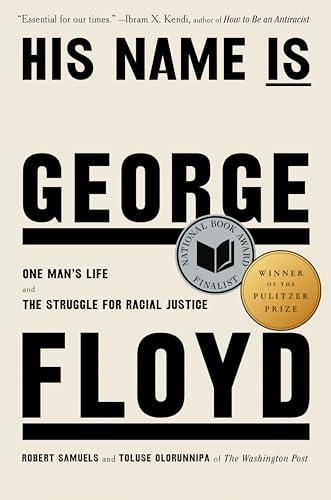
The book was highlighted across three episodes as a Pulitzer‑winning, intimate portrait of George Floyd that went beyond his death to explore his life and the systemic racism affecting his family. Hosts Josie Duffy Rice and the podcast’s guests, including Washington Post reporters Robert Samuels and Tolu Olorunipa, praised its empathetic storytelling and its effort to avoid a voyeuristic take on Black pain. They noted the authors’ deliberate focus on nuanced history and the broader racial reckoning sparked by Floyd’s murder.
Episode: We See You, Tre'vell
The Pulitzer board called this book an intimate and captivating portrayal of George Floyd, whose murder sparked global racial reflection. It was lauded for its storytelling and impact.
And two friends of WAD, Washington Post reporters Robert Sanuels and Tolu Olorinipa, won the General Nonfiction Award for their book His Name Was George Floyd. The Pulitzer board called the book quote, an intimate, riveting portrait of Floyd, whose murder sparked a racial reckoning in the US that was heard around the world.
Episode: We See You, Tre'vell
This book is an intimate and riveting portrait of George Floyd, whose murder sparked a racial reckoning in the US and was heard around the world.
an intimate, riveting portrait of Floyd, whose murder sparked a racial reckoning in the US that was heard around the world.
Episode: The Life And Legacy Of George Floyd
The book delves into the life of George Floyd, exploring his personal history and the systemic racism that affected generations of his family. It aims to present a nuanced and empathetic portrayal of Floyd beyond the circumstances of his death, highlighting his life, struggles, and legacy.
One of the things that we wanted people who participated in the book to know was that we were serious about treating the story with the empathy and the care that it deserved.
I was not going to ask them what everyone else asked them, which was, where were you when you found out this video? What did you see? I didn't want them to go through that trauma.
They were telling the story of systemic racism in America, the people who had known George Floyd without even knowing what they were doing. That's how pervasive it is.
One of the things we wanted to do was not have an expose in Black pain or just have this be a voyeuristic exercise of, look how horrible this police officer was to this Black person.
And it was important for us at the Washington Post to make sure that we were grappling with the issue of systemic racism and explaining for people who may see that as a abstract idea or something that's too dense to really understand. We wanted to show it.