
Podcast
The Ben Shapiro Show
It was mentioned multiple times as a book by the guest, covering 20th-century history, particularly Germany, and discussing the origins of World War II and Hitler's rise to power.
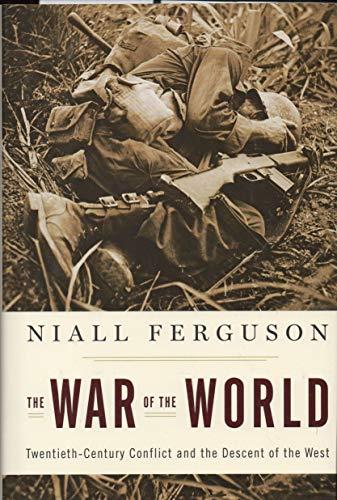
I wrote a chapter of my book, The War of the World with the title Tainted Victory, making the point that there were all kinds of moral compromises involved in the victory of the Allies, one, not the l...
— Episode: Who Was The Bad Guy In WWII?
Episode: Who Was The Bad Guy In WWII?
It was mentioned multiple times as a book by the guest, covering 20th-century history, particularly Germany, and discussing the origins of World War II and Hitler's rise to power.
I wrote a chapter of my book, The War of the World with the title Tainted Victory, making the point that there were all kinds of moral compromises involved in the victory of the Allies, one, not the least of which was that they were in alliance with Joseph Stalin and the totalitarian Soviet Union.
War of the World shows why the policy of appeasement was adopted by Churchill's predecessors Stanley Baldwin and Neville Chamberlain and why it failed not because of naivety but because I think of a miscalculation about what would happen if you just played for time.
if you read the relevant parts of War of the World which was my attempt to address these issues
Episode: Ep. 2047 - Matt Walsh DESTROYS The DEI Industry
It was mentioned by Ben Shapiro as a book written by Neil Ferguson, covering the history of WWI and WWII. It was recommended as a great investigation into the causes of WWII.
Neil has written many books, including a book called The Wars of the World, all about World Wars I and II.
It's a great investigation into the causes of World War II, the entire history of World War II, fascinating stuff, and Neil, of course, knows pretty much everything on this subject.
Episode: Ep. 1568 - Are We On The Precipice Of Global Colla...
Ferguson discussed in this book that if you looked at the bond markets on the eve of World War I, people believed a global war would be averted despite high globalization and cultural exchange.
The idea if you went back to 1908 and you ask people, is there going to be a global world war in 1908? The answer is everybody says no. The truth is, even in 1914, if you ask most Europeans whether there is going to be a global world war, everybody was going to say no. In fact, as Ferguson talks about in his book, The War of the World, he says that if you look at the bond markets like on the eve of World War I, even the people who had their money in the investments were saying no, there's not going to be a war.
Three things seem to be necessary to explain the extreme violence of the 20th century and in particular why so much of it happened at certain times, notably the early 1940s and in certain places, specifically central and eastern Europe, Manchuria and Korea.