
Podcast
The Daily Show: Ears Edition
It discusses the American reliance on a broken global supply chain and how it has led to shortages and vulnerabilities. It also covers the need for anti-trust enforcement and creating a more resilient supply chain.
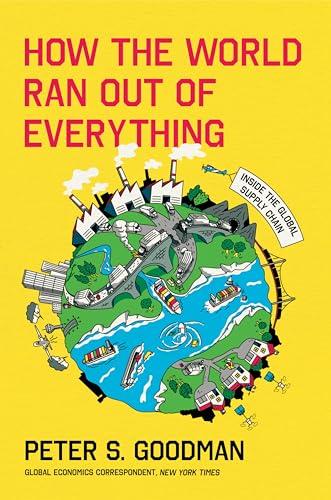
Guest tonight is a global economics correspondent for The New York Times and author of the new book, How the World Ran Out of Everything, Inside the Global Supply Chain. Please welcome Peter Goodman.
— Episode: Infowars Shuts Down, Julian Assange Goes...
Episode: Infowars Shuts Down, Julian Assange Goes Free & Ch...
It discusses the American reliance on a broken global supply chain and how it has led to shortages and vulnerabilities. It also covers the need for anti-trust enforcement and creating a more resilient supply chain.
Guest tonight is a global economics correspondent for The New York Times and author of the new book, How the World Ran Out of Everything, Inside the Global Supply Chain. Please welcome Peter Goodman.
How the world ran out of everything. During COVID, we ran out of toilet paper.
I'm sorry to say the vulnerabilities are still there.
I think what you painted the picture so well in here was that it's American business executives right that are saying we can make more money.
Look how the world ran out of everything is available now.
Episode: Facing American Poverty and Global Supply Chain Is...
Peter Goodman explained that the vulnerability of America's supply chain was revealed during the pandemic, and the book 'How the World Ran Out of Everything' explores the reasons why. The book also examines how American business executives have made decisions that have resulted in the hollowing out of American manufacturing.
How the world ran out of everything during covid. We ran out of toilet paper. Sure did. Baby formula, computer chips. We had cars that were ready to run, but no computer chips. What happened?
Why don't we just make this shit here?
We could make more things here and there's a movement to make more things here. And that's helpful. It's in the margins. But we're not going back to self-sufficiency.
These are decisions, you know, the hollowing out of our factory towns that are not made in Beijing. These are decisions made in boardrooms in New York and Seattle and Congress.
Look how the world ran out of everything is available now. Peter Goodman, everybody.