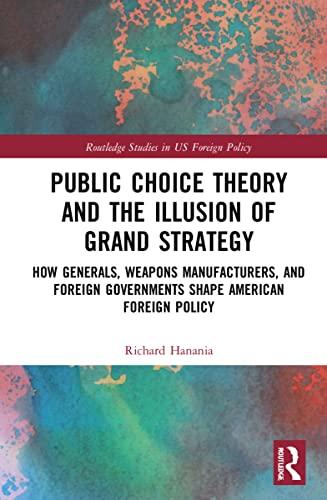
The author argues that people have been thinking about American foreign policy wrong, with the illusion that there is somebody in charge and a grand strategy, which is not the case. He uses the example of Afghanistan, where the money for the war flowed into the pockets of private contractors who got very wealthy.
My book argues that I've been studying international relations sort of as you guys are as just a consumer of the news, but also in academically.
— Episode: 1/4/22: Meatpacking, Omicron Update, WaP...
Episode: 1/4/22: Meatpacking, Omicron Update, WaPo, Epstein...
The author argues that people have been thinking about American foreign policy wrong, with the illusion that there is somebody in charge and a grand strategy, which is not the case. He uses the example of Afghanistan, where the money for the war flowed into the pockets of private contractors who got very wealthy.
My book argues that I've been studying international relations sort of as you guys are as just a consumer of the news, but also in academically.
And I think that it just came to the conclusion that people are basically thinking about the whole thing wrong whether they think the US should have a prominent role in world affairs, whether they believe in support this war or that war. I think that the problem is we think that there's actually somebody in charge, that there is a grand strategy where sort of like wise men are sitting around and sort of determining what the US should be doing about Afghanistan, about Iraq, about the rise of China about any number of things.
I think that the money in Afghanistan, the war of Afghanistan just like the war in Iraq, the money runs into the spending runs into the trillions. A lot of it was government contractors and the government contractors would do everything from built girls schools to supply the US bases to provide security.
And these people got very, very wealthy. I mean, these people are one of the reasons why Washington DC has now all basically every single one of the wealthiest counties in the country are around Washington DC.
I think that even people who are skeptical of foreign policy, they sort of elevate the foreign policy elite by saying they have a grand strategy, but it just happens to be wrong. I don't think that's the correct way of looking at it. I think the correct way of looking at it is look there's these interests and they're trying to sell you something like a tobacco lobbyist online.
Episode: 1/4/22: Meatpacking, Omicron Update, WaPo, Epstein...
The book argued that people are thinking about foreign policy the wrong way and that there is no real grand strategy behind U.S. actions overseas, just individual actors seeking their own gain.
So my book argues that I've been studying international relations sort of as you guys are as just a consumer of the news, but also in academically. And so I've read pretty much all the important thinkers in international relations, the theories about what we're supposedly doing overseas. And I think that it just came to the conclusion that people are basically thinking about the whole thing wrong, whether they think the US should have a prominent role in world affairs, whether they believe in support this war or that war. I think that the problem is we think that there's actually somebody in charge that there is a grand strategy where sort of like wise men are sitting around and sort of determining what the US should be doing about Afghanistan, about Iraq, about the rise of China about any number of things. And I don't think that that's actually what's happening.
So yeah, that money, that money in Afghanistan, the war of Afghanistan just like the war in Iraq, the money runs into the spending runs into the trillions. A lot of it was government contractors and the government contractors would do everything from built girls schools to supply the US bases to provide security. And these people got very, very wealthy. I mean, these people are one of the reasons why Washington DC has now all basically every single one of the wealthiest counties in the country are around Washington DC. I mean, this is these people who made money off of Afghanistan who made money off Iraq. We left Afghanistan and the same people are in charge as they were when we originally went in.
So if you understand foreign policy this way, and this is a theme of my book, it's working the way the system is designed for certain interests and it's helping those interests and it's sort of working as design. While if you think in terms of national interest, you're gonna be constantly confused by what we're doing overseas.
I think we, I mean, I think we really underplay the money because you know, I don't think money is everything that they power and the ideology is very important, but look the money is absolutely huge. So when you have basically every three and four star general now when retiring going to work for a defense contractor, it's 100% or close to it in the last decade, decade and a half. Basically, you know, anytime you see a general he's gonna be go, he's gonna, you know and he's near the end of his career he's gonna be working for a weapons manufacturer some kind of government contractor soon.
I think that even people who are skeptical of foreign policy, they sort of elevate the foreign policy elite by saying they have a grand strategy but it just happens to be wrong. I don't think that's the correct way of looking at it. I think the correct way of looking at it is look there's these interests and they're trying to sell you something like a tobacco lobbyist online.
Episode: 1/4/22: Meatpacking, Omicron Update, WaPo, Epstein...
The book explores the author's theory that American foreign policy is not driven by a coherent grand strategy or national interests but rather by self-serving individuals seeking their own personal gain. It was referenced during a discussion about the US involvement in Afghanistan and Iraq, emphasizing the lack of planning and strategic thinking behind these conflicts.
So my book argues that I've been studying international relations sort of as you guys are as just a consumer of the news but also in academically.
So I've read pretty much all the important thinkers in international relations, the theories about what we're supposedly doing overseas.
And I think that it just came to the conclusion that people are basically thinking about the whole thing wrong whether they think the US should have a prominent role in world affairs whether they believe in support this war or that war.
I think that the problem is we think that there's actually somebody in charge that there is a grand strategy where sort of like wise men are sitting around and sort of determining what the US should be doing about Afghanistan about Iraq about the rise of China about any number of things.
And I don't think that that's actually what's happening. I think Afghanistan is such a good way to sort of introduce people to the rest of what foreign policy is like because the mistakes and the blunders and how disastrous it is and the waste and everything else. I mean it's just so obvious and it's so clear. It's been like that for 20 years.