
Podcast Mentions
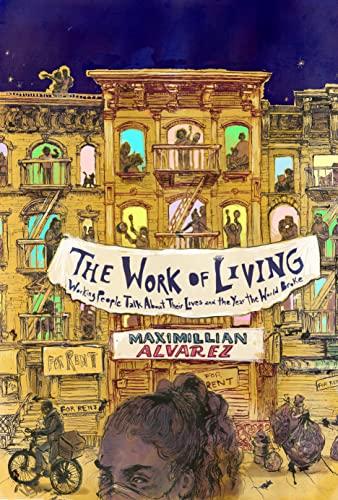
The Work of Living Working People Talk About Their Lives and the Year the World Broke
Maximillian Alvarez
As COVID-19 swept across the globe with merciless force, it was working people who kept the world from falling apart. Deemed “essential” by a system that has shown just how much it needs our labor but has no concern for our lives, workers sacrificed—and many were sacrificed—to keep us fed, to keep o...
Podcasts
2
Quotes
18
The hosts highlighted the book as a modern update to Studs Terkel’s oral‑history style, praising its relevance to today’s economy. Saagar Enjeti explicitly called it a great book and highly recommended it, while author Max Alvarez discussed how it captured the voices of essential workers during the pandemic, preserving their stories against erasure. The discussion emphasized the book’s courage in giving working people a platform and its insight into labor struggles.
Episode: CounterPoints #2: Putin Escalation, Big Tech Fight...
It was described as an update to Studs Terkel's work, and was highly recommended by the hosts for its relevance in the modern economy.
"
He is author of the great book The Work of Living which is sort of like an update to Studs Turkle in a lot of ways in the modern economy great great book highly recommended
Episode: 8/25/22: Student Debt, Midterm Outlook, Ukraine Ai...
It was described as courageous for giving a platform to working people's experiences and voices, particularly during the pandemic, and was inspired by a podcast series of the same name.
"
I think it's a great question. I mean, obviously, it's it's kind of a continuation of the work that I've been doing at working people and now that I'm honored to do at the real news, talking to working people about their lives, jobs, dreams and struggles, right?
So, this book, I think, really grew out of a two-part episode on working people that I did in the late spring of 2020.
I wanted to preserve this moment in time through the voices of the people who were living through it, because I knew that we were gonna quickly forget about that, and I knew that we were going to be told to misremember it by people who didn't want us to feel that visceral disgust with how workers were being treated, with how employers were ripping quote-unquote 'hero pay' away from actual heroes in hospitals and so on and so forth.
I think that everyone here has a unique story, and that's really the overarching takeaway point, right? Is that even just 10 people spoken to for an hour and a half, two hours reveals I think in this book, right, just how deep and complex and beautiful every human life is.
And when you recognize that, you recognize how incalculable of a loss the past two and a half years have been, right? I mean, when we look at the numbers of millions of people around the world who have died from this, as the great labor organizer Cooper Caraway told me once in my podcast, he's like, 'These are not just numbers, these are fellow parishioners, these are co-workers, these are parents, these are T-ball coaches who are suddenly gone.'
Episode: 8/25/22: Student Debt, Midterm Outlook, Ukraine Ai...
It was inspired by a two-part podcast episode about working people during the COVID-19 pandemic and captures the voices of essential workers who kept the world functioning.
"
I think it's a great question. I mean, obviously it's it's kind of a continuation of the work that I've been doing at working people and now that I'm honored to do at the real news, talking to working people about their lives, jobs, dreams, and struggles, right?
This book, I think, really grew out of a two-part episode on working people that I did in the late spring of 2020.
I wanted to preserve this moment in time through the voices of the people who were living through it because I knew that we were gonna quickly forget about that and I knew that we were going to be told to misremember it by people who didn't want us to feel that visceral disgust with how workers were being treated with how employers were ripping quote-unquote hero pay away from actual heroes in hospitals and so on and so forth.
Everyone here has a unique story and that's really the overarching takeaway point, right? Is that even just 10 people spoken to for an hour and a half, two hours, reveals, I think, in this book, right, just how deep and complex and beautiful every human life is.
I think a lot of people brave people, working people, have answered affirmatively, yes, we do, and I think that that is connected to the number of strikes we've seen, the mass amounts of people who have been quitting, people staying at their jobs and fighting, organizing together to demand better working conditions, better pay, so on and so forth.
Episode: CounterPoints #2: Putin Escalation, Big Tech Fight...
It was described as an update to Studs Turkle in the modern economy and was highly recommended by the hosts.
"
He's giving us an update in the ongoing negotiations...the media has sort of moved on and acted as though they're totally over. The negotiations with the railway workers are completely over but Max knows better than that and will give us some insights on everything as it pertains to those negotiations.
and is author of the great book The Work of Living which is sort of like an update to Studs Turkle in a lot of ways in the modern economy great great book highly recommended
Episode: 8/25/22: Student Debt, Midterm Outlook, Ukraine Ai...
It was a collection of interviews with working people about their lives and struggles during the pandemic, focusing on the essential workers who kept society afloat.
"
I think it's a great question. I mean obviously it's it's kind of a continuation of the work that I've been doing at working people and now that I'm honored to do at the real news talking to working people about their lives, jobs, dreams and struggles right and talking in depth about who they are, how they came to be the people they are, how they experience the world, how what they go through at work and stuff like that.
So this book I think really grew out of a two-part episode on working people that I did in the late spring of 2020.
I started to see in real time how quickly we were becoming accustomed to the things that had horrified us just months before, right, how easily we slipped into acceptance and resignation of the unacceptable response that that we had to this pandemic.
I wanted to preserve this moment in time through the voices of the people who were living through it because I knew that we were gonna quickly forget about that and I knew that we were going to be told to misremember it by people who didn't want us to feel that visceral disgust with how workers were being treated with how employers were ripping quote-unquote hero pay away from actual heroes in hospitals and so on and so forth.
It's a real honor to be lifting that up with you on Breaking Points.
Note: The book recommendations on this page are discovered automatically from podcast transcripts, and may be incorrect or incomplete.