Podcast
Freakonomics Radio
It was published before the 2008 presidential election and explores the reasons why democracies might choose bad policies, suggesting that voters are often uninformed or mistaken about how to advance their interests or the interests of society.
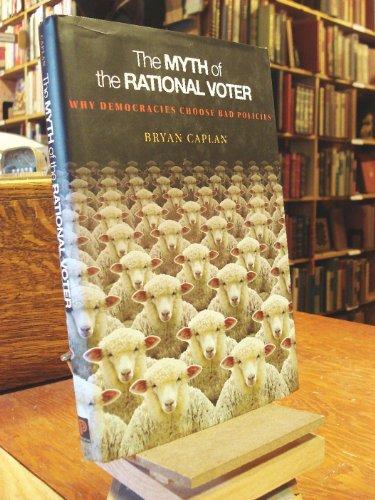
Before the last presidential election in 2008, when Barack Obama beat John McCain, Brian Kaplan published a book called The Myth of the Rational Voter. Why Democracies Choose Bad Policies.
— Episode: 98. We the Sheeple
Episode: 98. We the Sheeple
It was published before the 2008 presidential election and explores the reasons why democracies might choose bad policies, suggesting that voters are often uninformed or mistaken about how to advance their interests or the interests of society.
Before the last presidential election in 2008, when Barack Obama beat John McCain, Brian Kaplan published a book called The Myth of the Rational Voter. Why Democracies Choose Bad Policies.
The background assumption is this. Everyone understands why dictatorships choose bad policies. There's some awful jerk at the head of a country running it like his own personal piggy bank. The puzzle, though, is why democracies would choose bad policies in a similar way.
So in other words, the question - everyone can agree that dictatorships choose bad policies. There's no big intellectual puzzle as to why that would happen.
But the idea that democracies, which are run by the people or by the people elected by the people, would also make mistakes is the puzzle.
The cover of Kaplan's book shows a flock of sheep standing up like humans in a sort of military formation, ready to follow someone. We the sheeple.