
Podcast
Freakonomics Radio
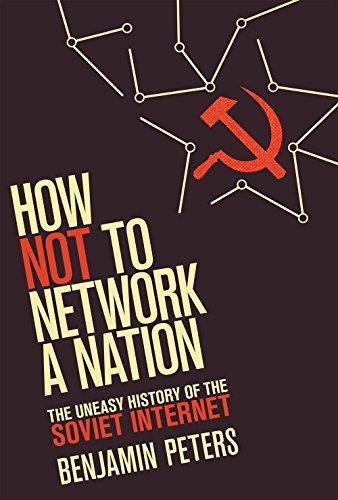
It was discussed in the context of the Soviet Union's missed opportunity to develop a nationwide computer network due to bureaucratic hurdles, contrasting with America's successful internet development.
In late 1970, a year after the ARPANET went online, the Soviet cyberneticist Viktor Glushkov boarded a train from Kiev to Moscow to attend what proved to be a fateful meeting for the future of what we...
— Episode: 253. Is the Internet Being Ruined?
Episode: 253. Is the Internet Being Ruined?
It was discussed in the context of the Soviet Union's missed opportunity to develop a nationwide computer network due to bureaucratic hurdles, contrasting with America's successful internet development.
In late 1970, a year after the ARPANET went online, the Soviet cyberneticist Viktor Glushkov boarded a train from Kiev to Moscow to attend what proved to be a fateful meeting for the future of what we might call the Soviet Internet.
It was to connect tens of thousands of computer centers and to manage and optimize in real time the communications between hundreds of thousands of workers, factory managers, and regional and national administrators.
But the Soviet Internet did not happen. As Peters writes, it was hardly for want of Soviet technical capability, but instead because of, quote, entrenched bureaucratic corruption and conflicts of interest at the heart of the system.
Episode: 253. Is the Internet Being Ruined?
It was mentioned in the context of the Soviet Union's failed attempt at creating a nationwide computer network, highlighting bureaucratic hurdles over technological limitations.
In late 1970, a year after the ARPANET went online, the Soviet cyberneticist Viktor Glushkov boarded a train from Kiev to Moscow to attend what proved to be a fateful meeting for the future of what we might call the Soviet Internet.
But the Soviet Internet did not happen. As Peters writes, it was hardly for want of Soviet technical capability, but instead because of, quote, entrenched bureaucratic corruption and conflicts of interest at the heart of the system.