Podcast
Freakonomics Radio
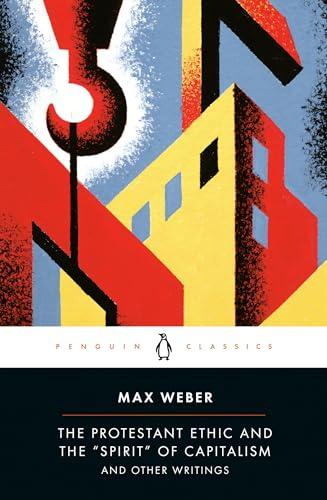
It was discussed as a highly influential but controversial thesis that proposed a link between Protestant beliefs and the development of capitalism, with a focus on the concept of a strong work ethic.
This was one of the most influential theses in the social sciences, but also one of the most controversial ones
— Episode: 360. Is the Protestant Work Ethic Real?
Episode: 360. Is the Protestant Work Ethic Real?
It was discussed as a highly influential but controversial thesis that proposed a link between Protestant beliefs and the development of capitalism, with a focus on the concept of a strong work ethic.
This was one of the most influential theses in the social sciences, but also one of the most controversial ones
Basically, he argued that the Protestant doctrine of self Determination would make people work harder
Weber also argued that discipline played a strong role that Protestantism tried to instill the discipline of the Catholic clergy into the Protestant laity
Max Weber had a very particular belief about Calvinist doctrine He believed that the doctrine of predestination meant that all Calvinists were radically insecure and That they desperately wanted to prove to themselves that they were saved but they didn't have any way of proving that
and this is exactly what we're talking about when we talk about, you know, the Protestant work ethic the old Protestant work ethic