Podcast
Freakonomics Radio
It was described as an examination of meetings as a workplace phenomenon, exploring why they often fail and how to improve them, particularly given the high number of daily meetings in the U.S.
Basically, it's the examination of meetings as a workplace phenomenon, trying to understand why they go bad, trying to understand the dynamics that emerge in meetings and trying to figure out how to m...
— Episode: How to Make Meetings Less Terrible (Ep....
Episode: How to Make Meetings Less Terrible (Ep. 389 Rebroa...
It was described as an examination of meetings as a workplace phenomenon, exploring why they often fail and how to improve them, particularly given the high number of daily meetings in the U.S.
Basically, it's the examination of meetings as a workplace phenomenon, trying to understand why they go bad, trying to understand the dynamics that emerge in meetings and trying to figure out how to make them better.
Episode: 389. How to Make Meetings Less Terrible
It was described as an examination of meetings as a workplace phenomenon, investigating why they often fail and how to improve them, particularly given the prevalence of meetings in workplaces.
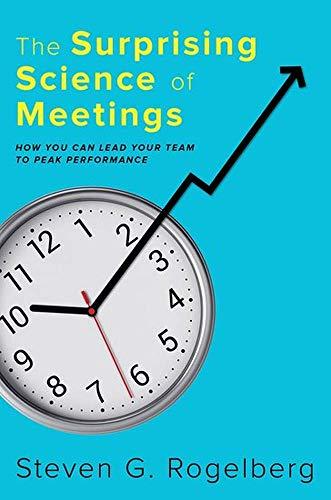
He's written a book called The Surprising Science of Meetings.
Basically, it's the examination of meetings as a workplace phenomenon, trying to understand why they go bad, trying to understand the dynamics that emerge in meetings and trying to figure out how to make them better.