Podcast
Behind the Bastards
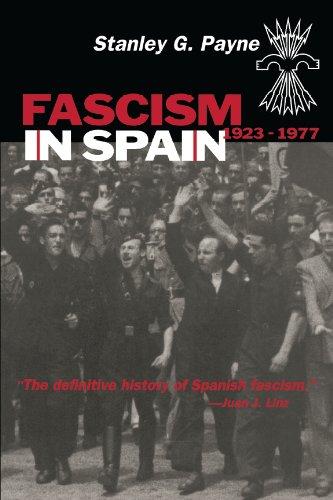
It was a foundational book for the podcast episode, discussing the development of fascism in Spain and relating it to Spanish history and culture. It was mentioned multiple times throughout the episode.
Historian Stanley Paine calls 1898 the first modern post-colonial trauma in Western Europe.
— Episode: Behind the Insurrections - The Birth of...
Episode: Behind the Insurrections - The Birth of Spanish Fa...
It was a foundational book for the podcast episode, discussing the development of fascism in Spain and relating it to Spanish history and culture. It was mentioned multiple times throughout the episode.
Historian Stanley Paine calls 1898 the first modern post-colonial trauma in Western Europe.
I'm going to quote from historian Stanley Payne here.
Symptomatic of the dismay of the nationalist military was an editorial in El Giraldo Militar on 23rd, November 1908 entitled Worse than Anywhere. It declared wherever we look, we find greater virility than in our own people in Turkey, Persia, China, the Balkan states, everywhere we find life and energy, even in Russia. In Spain, there is only apathy and submission.
Officers largely accepted moderate left wing social and economic aims. And there was even a strong strain of anti-capitalist thought among Spanish military leaders.
Army officers demanded suppression of the left's disorder, violence and subversion of national unity.
In his landmark book, Fascism in Spain, scholar Stanley Payne notes that the military resistance to the left had less to do with politics than you might expect.
And historian Stanley Payne notes that in some provinces, sectors of the old political elite did join and dominate. But the organization also incorporated ordinary middle class people who had not previously been politically active.