Podcast
Strict Scrutiny
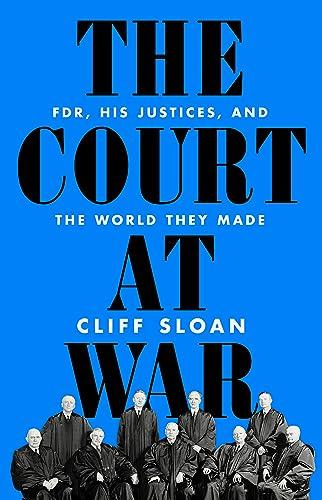
The book examines the Supreme Court's history during World War II, focusing on the relationship between President Franklin Delano Roosevelt and the justices he appointed, and the influence of the war on their decisions. It explores the internal dynamics of the court and the justices' interactions with the executive branch, particularly FDR and his administration.
There is a ton written on FDR's battles with the Supreme Court in the 1930s and the failed court packing plan in 1937 and the what is perceived to be the switch in time that saved nine where one justi...
— Episode: Who Has Final Authority At The Border?
Episode: Who Has Final Authority At The Border?
The book examines the Supreme Court's history during World War II, focusing on the relationship between President Franklin Delano Roosevelt and the justices he appointed, and the influence of the war on their decisions. It explores the internal dynamics of the court and the justices' interactions with the executive branch, particularly FDR and his administration.
There is a ton written on FDR's battles with the Supreme Court in the 1930s and the failed court packing plan in 1937 and the what is perceived to be the switch in time that saved nine where one justice changed his vote to allow New Deal programs to be upheld.
And then also think they'll be really interested to see how different the career trajectories of the justices were. Like now we're very used to people going to the court from a career on the bench, but FDR's wartime court was sort of singular in the diversity of the experiences that the justices brought to the bench when they became justices.
So could you talk a little bit about the coziness of FDR and his official family, part of his personal family. It's really very, very striking.
And maybe it's helpful to just get out on the table the players during this period, the justices during the war.
And it's very well documented that the reason FDR did that primarily had to do with the war, because FDR was single-mindedly concerned with preparing the country for the war, which he thought was inevitable.