Podcast
Strict Scrutiny
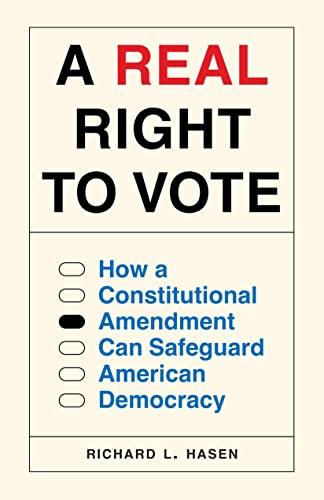
The book argues for a constitutional amendment to address election subversion and the efforts to overturn the results of the 2020 election. It details how such an amendment could reduce litigation and polarization over voting, citing the North Dakota voter identification law as an example.
In the book, you write that an amendment could help address election subversion and you discuss efforts to overturn the results of the 2020 election, which obviously gave rise to the disqualification...
— Episode: Does the Constitution Disqualify Trump f...
Episode: Does the Constitution Disqualify Trump from Presid...
The book argues for a constitutional amendment to address election subversion and the efforts to overturn the results of the 2020 election. It details how such an amendment could reduce litigation and polarization over voting, citing the North Dakota voter identification law as an example.
In the book, you write that an amendment could help address election subversion and you discuss efforts to overturn the results of the 2020 election, which obviously gave rise to the disqualification proceedings that we were talking about.
And you give two examples of how this might play out. You note litigation over North Dakota's voter identification law, which required residential addresses and disadvantaged native voters and suggests that litigation might have gone differently with a constitutional or immune system.
And part of your justification for this constitutional amendment is that it would reduce litigation and polarization over voting.
Now, at the end of the book, I say this Supreme Court have to face an unambiguous right to vote in the Constitution.
Is there an audio book, Rick?