
Podcast
Behind the Bastards
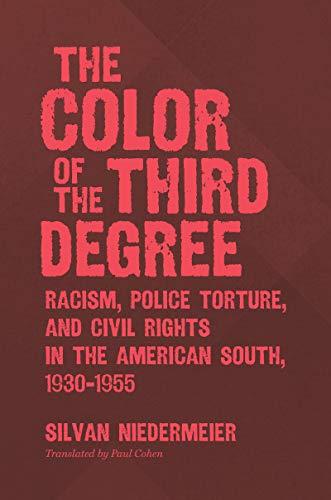
It was a major source for this episode, focusing on police torture and the shift from lynching to the death penalty in the South, claiming it was about maintaining control over the Black population, not protection.
during the 1910s and to a greater degree from 1920 onward, the white elite of the South voiced growing criticism of the practice of lynching.
— Episode: Behind the Police: How The Police Defeat...
Episode: Behind the Police: How The Police Defeated Lynchin...
It was a major source for this episode, focusing on police torture and the shift from lynching to the death penalty in the South, claiming it was about maintaining control over the Black population, not protection.
during the 1910s and to a greater degree from 1920 onward, the white elite of the South voiced growing criticism of the practice of lynching.
law enforcement authorities in the South were generally taking initiatives to protect Black suspects from being seized by lynch mobs.
in his study of the state of Kentucky, historian George Wright comes to the conclusion that the number of executions of Blacks carried out during the first decades of the 20th century continually rose, while the number of lynchings steadily declined during the same period.
As investigative reports from that date from this period reveal, however, penalties were rarely imposed because district attorneys, judges and jury members were highly reluctant to limit the power and authority of law enforcement officials.
The report by the Wickersham Commission highlighted numerous cases from Southern states in which police officers and sheriffs use batons, fists, and whips to extort confessions from black suspects.