Podcast
Behind the Bastards
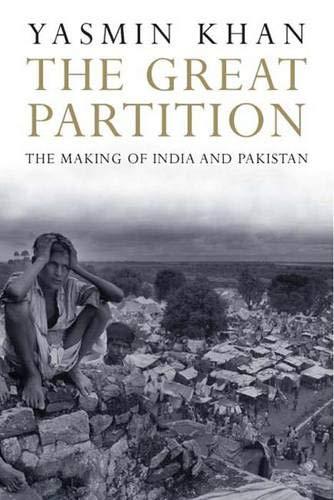
Neha Aziz referenced a book by Nisad Hajari during her podcast, "Partition", as being helpful in her research process. She stated that Hajari told her that it is impossible to cover everything within the context of Partition.
And I ended up talking to an author named Nisad Hajari whose book I reference quite a bit in the second episode, which drops 22, and you know, the first thing he told me was you can't cover everything...
— Episode: It Could Happen Here Weekly 49
Episode: It Could Happen Here Weekly 49
Neha Aziz referenced a book by Nisad Hajari during her podcast, "Partition", as being helpful in her research process. She stated that Hajari told her that it is impossible to cover everything within the context of Partition.
And I ended up talking to an author named Nisad Hajari whose book I reference quite a bit in the second episode, which drops 22, and you know, the first thing he told me was you can't cover everything.
Episode: It Could Happen Here Weekly 49
Neha Aziz referenced Nisad Hajari's book in the second episode of her podcast, which discussed Partition and its lasting impact. Hajari's book was mentioned as a valuable resource for understanding the event's complexities.
I ended up talking to an author named Nisad Hajari whose book I reference quite a bit in the second episode, which drops 22 and you know, the first thing he told me was you can't cover everything. So once you understand that that's going to be the case and it's going to be a lot easier and it's true like you can't cover everything and I kind of struggled with the narrative I wanted to tell because so many of the stories out there are very biased.
and also like it's as an artist like for me for me specifically, it's like I want to give you like the crumbs of something and then I want you to look into it more right? Like I shouldn't have to force feed you information. I should keep you intrigued enough for you to want to look at this information on your own, you know, so like that's how I how I see it, but I am in a little bit of a different position because film and TV like I program several film festivals and things like that. So I'm also looking through that with that kind of eye, but like I can understand people are like, oh, I wish they talked about this. I wish they talked about this, but you know, you know, I'm just like well, it's six episodes. They have to do all this exposition. They have to do this. That's just impossible, but people aren't thinking that way, but I think it really captured the emotion and the trauma of that event and how sad it is because it is sad to be like, I'll never get to see where my great-grandparents lived or my grandparents because they were children, you know, at least until they decide that's not the case anymore. But yeah, I can understand people's criticism, but I think for me personally, I thought it did a really good job and actually the woman who created the exhibit that I saw in Pakistan that really spearheaded this whole thing for me actually directed episodes 4 and 5 of Miss Marvel. So which is really cool.