Podcast
Behind the Bastards
This book contained a short section on the UMAP camps, which was the source for a lot of the arguments about the camps and how they were shut down.
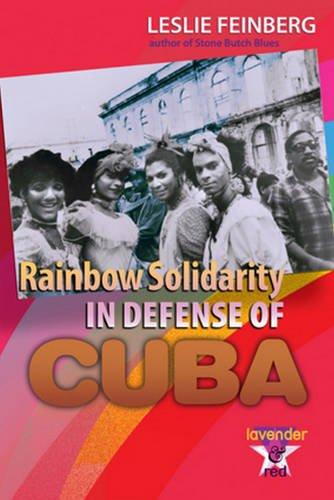
And eventually I find out that it's it dates back to this book called Rainbow Solidarity and Defense of Cuba by Leslie Feinberg was written mid to late 2000s.
— Episode: It Could Happen Here Weekly 54
Episode: It Could Happen Here Weekly 54
This book contained a short section on the UMAP camps, which was the source for a lot of the arguments about the camps and how they were shut down.
And eventually I find out that it's it dates back to this book called Rainbow Solidarity and Defense of Cuba by Leslie Feinberg was written mid to late 2000s.
It's a compilation of articles, which Feinberg wrote for as part of the lavender and red series for this world's workers world newspaper which is like this Marciite sect, which Feinberg yeah been a part of real real weirdos like I, they those people like.
And Feinberg warns in the introduction don't expect a criticism of Cuba in this book. It's factually based but you know, I put it in quotes factually based but, uh, you know, it's it's actually nice but it's you know where this is, it's basically meant as counter propaganda to the criticisms and the section that everyone quotes I mean the book is the book isn't that long I think it's like 100 pages I have it over here.
The section that most people quote is actually like two or three pages. It's this very short section on the map and Feinberg talks about the map and sites, basically, three people to talk about it, basically, one, one of the sources is Ignacio Ramonet, who is this foreign