Podcast
Behind the Bastards
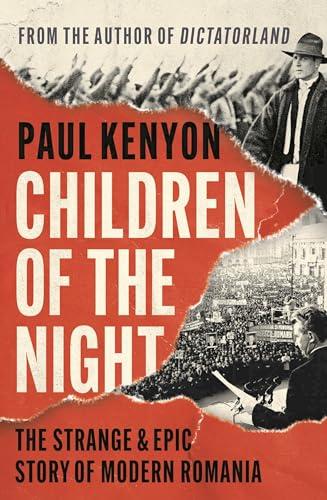
It was mentioned in the context of the trade of Jewish people in Romania in exchange for money during the 1970s, detailing a sliding scale of fees based on the individual's employment status or age.
Under Ceauescu's stewardship in the 1970s, the trade in Jews became even more elaborate and far more lucrative.
— Episode: Part Three: Nicolae Ceaușescu: The Dracu...
Episode: Part Three: Nicolae Ceaușescu: The Dracula of Bein...
It was mentioned in the context of the trade of Jewish people in Romania in exchange for money during the 1970s, detailing a sliding scale of fees based on the individual's employment status or age.
Under Ceauescu's stewardship in the 1970s, the trade in Jews became even more elaborate and far more lucrative.
Financing animal farms was no longer adequate. Ceauescu was prepared to throw caution to the wind and demand direct cash payments in exchange for Jewish exit visas.
The ransom money was to be calculated according to a sliding scale. At the lower end were unemployed Jews and children who were considered Category D and required a ransom fee of around $2,000.
More well-educated Jews were deemed Category A and could only be released from the country for a fee of $6,000.
In exceptional cases, that rose to $250,000.
Episode: Part One: Nicolae Ceaușescu: The Dracula of Being...
It was referenced when discussing Vlad the Impaler and how he burned beggars alive, highlighting a less discussed aspect of his rule and how his actions influenced Romania's future.
It was around this time during the first couple of years of Dracula's rule that he organized a notorious feast for all the beggars of Targoviste.
The event appeared to be a great humanitarian gesture. The hall was hired and tables were filled with food and wine.
Invitations were put out around the city to the cripples the blind the diseased and the destitute.
They all congregated in a large wooden hall toasting Dracula's generosity. But towards the end of the meal someone noticed smoke coming from the walls.
They ran to the door only to find Dracula's troops had locked it from the outside and set the place ablaze. Many hundreds were trapped in a bonfire of souls was left burning into the dark Wallachian sky.
The bonfire of the beggars as it became known was a warning. Begging would not be tolerated. It was a drain on the finances of the most decent and generous in society said Dracula. A crime as evil as theft.
Wallachians were uneasy. It was one thing killing the rich but to massacre the poor in such violent circumstances?
On the other hand Dracula's tactics did seem to be working and crime fell. It was said that Dracula's guards would test the townsfolk by leaving a purse full of gold coins in a busy marketplace.
When the guards came to collect it in the evening the purse was always left untouched.
The admiration for authoritarian solutions would also resonate down the centuries.
They had a lackey in prison, a young hooligan who brought them food packages and ran messages.
His name was Nikolai Ceauescu, a 22 year old trainee cobbler who is regularly in trouble for fighting and delivering communist leaflets.
Some of his fellow inmates thought him weird and said that they avoided him because he was such a bore with absolutely no sense of humor.
In the presence of big men like George Uday, Ceauescu remained largely silent and deferential. He avoided speaking whenever possible because of a stutter so severe it made his legs shake.
But he also possessed a powerful memory and an instinctive intelligence and sat among the future leaders, listening to everything they said and slowly learning.