
Podcast
Stuff You Should Know
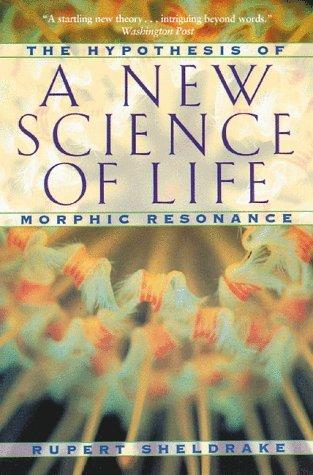
It was Sheldrake's first book that gained popularity, introducing the concept of morphic fields and morphic resonance, which guide the development and behavior of living organisms.
Morphic resonance is the influence of previous structures of activity on subsequent similar structures of activity organized by morphic fields. It enables memories to pass across both space and time f...
— Episode: How Morphic Fields Work?
Episode: How Morphic Fields Work?
It was Sheldrake's first book that gained popularity, introducing the concept of morphic fields and morphic resonance, which guide the development and behavior of living organisms.
Morphic resonance is the influence of previous structures of activity on subsequent similar structures of activity organized by morphic fields. It enables memories to pass across both space and time from the past.
In its most general sense, this hypothesis implies that the so-called laws of nature are more like habits.
Sheldrake is so committed to his hypotheses that it is very hard to envisage the circumstances in which he would accept its disconfirmation.
Sheldrake is putting forward magic instead of science. And that can be condemned in exactly the language that the Pope used to condemn Galileo for the same reason. It is heresy.
Morphic resonance is rubbish. It is unmitigated junk and a great insult to the people who do real work in the field.