Podcast
Stuff You Should Know
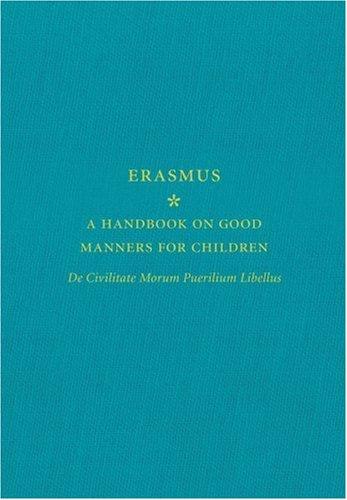
This early manners guide was written around 1530, by the Dutch philosopher Erasmus. It gave advice on table manners, such as not stirring gravy with fingers, and wiping a spoon before putting it back in communal soup.
It was called the Civilitate Morum Purillium, which means civility of childish manners.
— Episode: Why Manners?
Episode: Why Manners?
This early manners guide was written around 1530, by the Dutch philosopher Erasmus. It gave advice on table manners, such as not stirring gravy with fingers, and wiping a spoon before putting it back in communal soup.
It was called the Civilitate Morum Purillium, which means civility of childish manners.
And he took some time out from translating the New Testament to write down manners, which basically was like, hey, don't stir gravy with your fingers. Don't blow your nose on the tablecloth at the table.
Actually, just don't blow your nose on any tablecloth anywhere in any part of the house.
And then if they showed spoons a lot, there would be communal soup. So you would taste the soup with the spoon. And he instructed, OK, after that, wipe it with a napkin after your use of that spoon before you put it back, which seems highly civilized for 1530.
If you have to fart at the table, cover up the sound of the fart with a heavy cough.