Podcast
Stuff You Should Know
It argued that birth order significantly impacts personality and that it's a proxy for power dynamics within a family, refuting earlier claims that birth order is irrelevant.
it is never surprising when the originator of a theory produces evidence that supports the theory. The real test of a theory is whether other people working independently of the originator of the theo...
— Episode: Birth Order: So nice, we did it twice
Episode: Birth Order: So nice, we did it twice
It argued that birth order significantly impacts personality and that it's a proxy for power dynamics within a family, refuting earlier claims that birth order is irrelevant.
it is never surprising when the originator of a theory produces evidence that supports the theory. The real test of a theory is whether other people working independently of the originator of the theory produce evidence that supports it.
Episode: Is birth order important?
It explored the link between birth order and revolutionary thinking, suggesting that later-born individuals were more inclined to challenge the status quo compared to firstborns.
He got a MacArthur Genius Grant in 1984 to kind of study this and write about it.
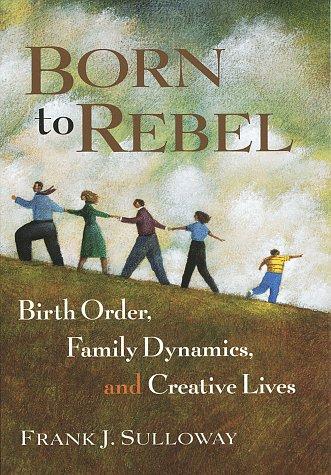
And he did, he wrote a book called Born to Rebel. It was about birth order.
It's pretty interesting. Identified which scientists were on which side of it either in support of this revolutionary thinking or opposed to it meaning that they were in favour of keeping the status quo and then determined what birth order they had.
He determined that first borns are much more likely to support the status quo whereas second borns or later borns he calls them are much more likely to support revolutionary thinking.
Born to rebel was torn apart by some scientists like this is just pure pop psychology tripe.
Episode: Is birth order important?
It was discussed as a controversial book which explored birth order and its potential impact on revolutionary thinking throughout history. The book's premise was challenged by some scientists.
And he did, he wrote a book called Born to Rebel.
It was about birth order.
And the whole premise of the book was he looked at scientific revolutions throughout the ages.
Born to rebel was torn apart by some scientists like this is just pure pop psychology tripe.
I think that's an unfair characterization of it.
Episode: Is birth order important?
It was explored as a study into birth order and its potential connection to revolutionary thinking throughout history, with firstborns allegedly more likely to support the status quo and later-borns more inclined towards revolutionary ideas.
And he did, he wrote a book called Born to Rebel. It was about birth order.
It was about birth order. And the whole premise of the book was he looked at scientific revolutions throughout the ages. It's pretty interesting.
Identified which scientists were on which side of it either in support of this revolutionary thinking or opposed to it meaning that they were in favour of keeping the status quo and then determined what birth order they had.
And he found after this study which is really, it was a big study that he did. It was a pretty, a lot of legwork and a lot of research. He determined that first borns are much more likely to support the status quo whereas second borns or later borns he calls them are much more likely to support revolutionary thinking.
And just one example as far as he used Darwinism, he said later borns between 1859 and 1875 were 4.6 times more likely than first borns to support Darwinism.